Mary Jensen
A rabbit castle is not just a shelter, but a full-fledged play and living complex for your pet, where it can hide, rest, observe the world around it, and feel safe. More and more rabbit owners are opting for wooden structures because they are durable, environmentally friendly, and allow for unique designs. In this article, we will explore why wood is a good choice, what its weaknesses are, and how to properly prepare materials so that the hutch is not only beautiful but also safe for your furry friend.
Advantages of wooden cages for rabbits
- Eco-friendliness and safety
Wood is a natural material, and when properly processed, it does not emit harmful substances, does not overheat, and does not cause allergies in rabbits. This is especially important in enclosed spaces and when the animal is in constant contact with the structure.
- Durability and stability
Unlike cardboard, wood can withstand jumping, scratching, and even digging. A well-built castle can last for many years, especially if it is multi-level and used as a play area.
- Design flexibility
Arches, windows, and loopholes can be carved out of wood, and towers or drawbridges can be added for decoration. Structures can be expanded and combined over time.
- Weather resistance (for outdoor installation)
When properly treated, wood can withstand rain, humidity, and temperature changes, making it suitable for outdoor use or in an enclosure.
Disadvantages of wooden structures
- Absorbs moisture and odors
Untreated wood quickly deteriorates from urine and spilled water. It can start to rot, change color, and become a breeding ground for bacteria.
- Rabbits gnaw on wood
Wood is a natural material, and this attracts rabbits. They may start to gnaw on the structure, especially if they are bored. Only safe types of wood should be used, and they should not be coated with toxic varnishes or paints.
- Heavy and bulky
Unlike plastic or cardboard houses, wooden castles are difficult to move. If you frequently rearrange your furniture or change your place of residence, this can be inconvenient.
- More expensive to manufacture
Natural wood and fittings are more expensive, especially if you order custom sizes or decorations.
Which wood to choose
- Birch, aspen, and poplar are light and safe woods that are most often used for rodents.
- Pine is cheap and affordable, but if it is poorly processed, it can release resins.
- Beech and maple are more expensive, but strong and durable.
- Alder is a good option for interior decoration and shelves.
Never use chipboard, MDF, or plywood with uncertified adhesives — they can release formaldehyde and other toxic substances.
Wood processing for a rabbit hutch
Sanding
Before assembly, all elements must be thoroughly sanded — rabbits can injure their paws or muzzle on splinters. Use sandpaper with a grit of at least P120, and P220 for finishing.
Impregnation and protection
If the hutch will be used outdoors or in an area with high humidity (for example, on a balcony), the wood can be treated with:
- Linseed oil — a natural and safe option.
- Beeswax — provides moisture resistance and antiseptic properties.
- Special products for children’s furniture — but be sure to use odorless, formaldehyde-free, water-based products.
Important: never use industrial varnishes, stains, or antiseptics — they are toxic to animals.
Assembly
Fasteners should be secure but hidden: it is better to countersink screws and cover them with plugs. Wooden dowels can be used. Avoid exposed nails and staples.
Tips for use
- Regularly check the condition of the wood, especially the corners, lower parts, and areas where the rabbit may urinate.
- If necessary, sand and renew the protective coating.
- Once a week, wet clean with a mild soap solution.
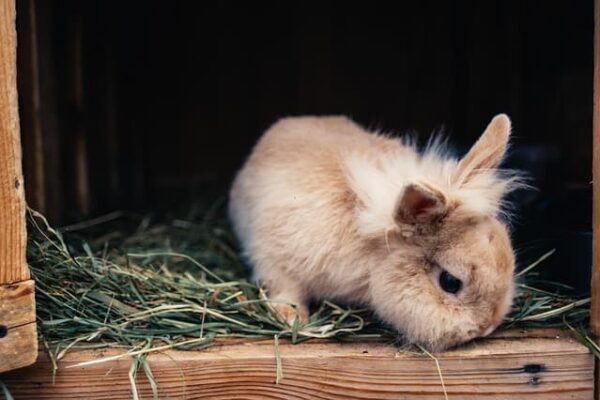
- Place mats or hay inside the hutch to slow down floor wear.
Conclusion
Wooden structures are one of the best options for creating a durable and stylish rabbit hutch. They are environmentally friendly, safe, and fit perfectly into the interior, and with proper treatment and care, they will last for years. The main thing is to choose the right materials, avoid toxic coatings, and regularly monitor the condition of the structure. Your rabbit will definitely appreciate the care—after all, the hutch will become not just a house for it, but a whole world.