Mary Jensen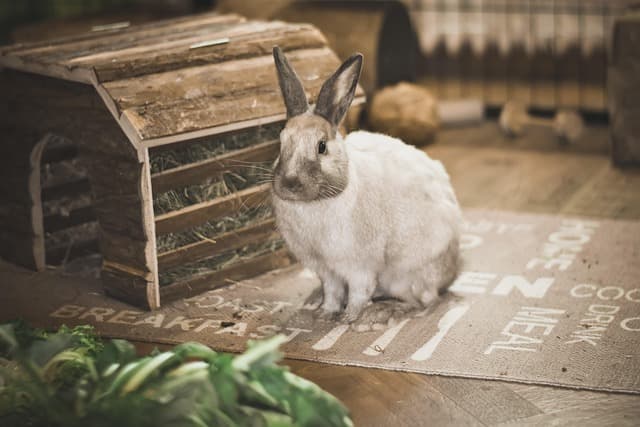
Creating a beautiful and comfortable rabbit castle is only half the battle. It is important to furnish the interior space correctly so that your pet is comfortable, safe, and entertained. In this article, we will discuss what you should use for interior decoration and what is best to avoid.
What you can use
- Hay and straw
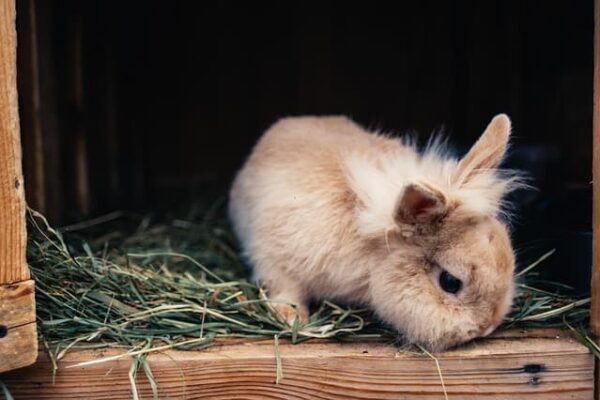
This serves as bedding, a treat, and a source of comfort. Spread hay inside the houses, in the corners, and on the second level of the castle — rabbits love to burrow in it and rest.
- Soft blankets and rugs
Fleece or cotton materials are ideal — they are soft, do not have long fibers, and are easy to wash. The main thing is to make sure that the rabbit does not eat them.
- Cardboard and paper tunnels
Simple, inexpensive, and loved by all rabbits. They can be gnawed on, hidden in, and jumped over.
- Wooden flooring and shelves
Use untreated wood (without varnish or glue) — it is safe to chew and helps grind down teeth. Wooden shelves also make the house cozier.
- Toys
Suitable:
- Wicker balls made of willow or hay;
- Rattles made of safe plastic;
- Cardboard tubes filled with treats;
- Puzzles with treats.
- Litter tray
It is best to place one (or several) in a secluded corner of the castle. Use paper or wood litter (not pine!).
What not to use
- Fabric with long pile
For example, faux fur, pile carpets, terry cloth — can cause intestinal problems if swallowed.
- Foam rubber and synthetic padding
Rabbits often chew on soft materials, and eating bedding can cause gastrointestinal blockage.
- Plastic floor coverings
Smooth plastic is slippery, which is harmful to a rabbit’s paws. It is better to lay a rug or carpet on top.
- Fragile items
Glass, ceramics, even light vases are best avoided. Rabbits can knock them over, break them, and injure themselves.
- Unsafe toys
For example, dog toys made of hard rubber, hair ties, garlands, decorations — anything that a rabbit can chew and swallow.
Tips for setting up
- Divide the space into “rooms”: a resting area, a corner for food and water, a toilet area, and a play area.
- Add steps, ladders, and ramps — this encourages physical activity.
- Change the interior from time to time — rabbits are curious and love novelty.
- Keep it clean — don’t let mold, wet hay, or dirty fabrics appear.
Inspiration
- “Rest room”: a box with a hay nest and a fleece bedding.
- “Playground”: tunnels, bridges, and balls.
- “Second floor”: a wooden platform with a view, where you can place a bowl of treats.
- “Personal corner”: a dark hiding place where the rabbit can hide and rest.
Conclusion
The interior of a rabbit castle is not just decoration, but an important element of care. Choose materials wisely, focusing on safety, comfort, and your pet’s natural needs. Then the house will become a real fortress of comfort and happiness!